Our Solution
At current rates of decline, all marine fish stocks are projected to collapse by 2048, leaving the oceans practically lifeless.
h2
h3
h4
h5
Rejuvenation
Restocking the oceans by increasing fertilization

Action
Creating awareness and joining concerned citizens

Technology
Innovations in catching and breeding sea life
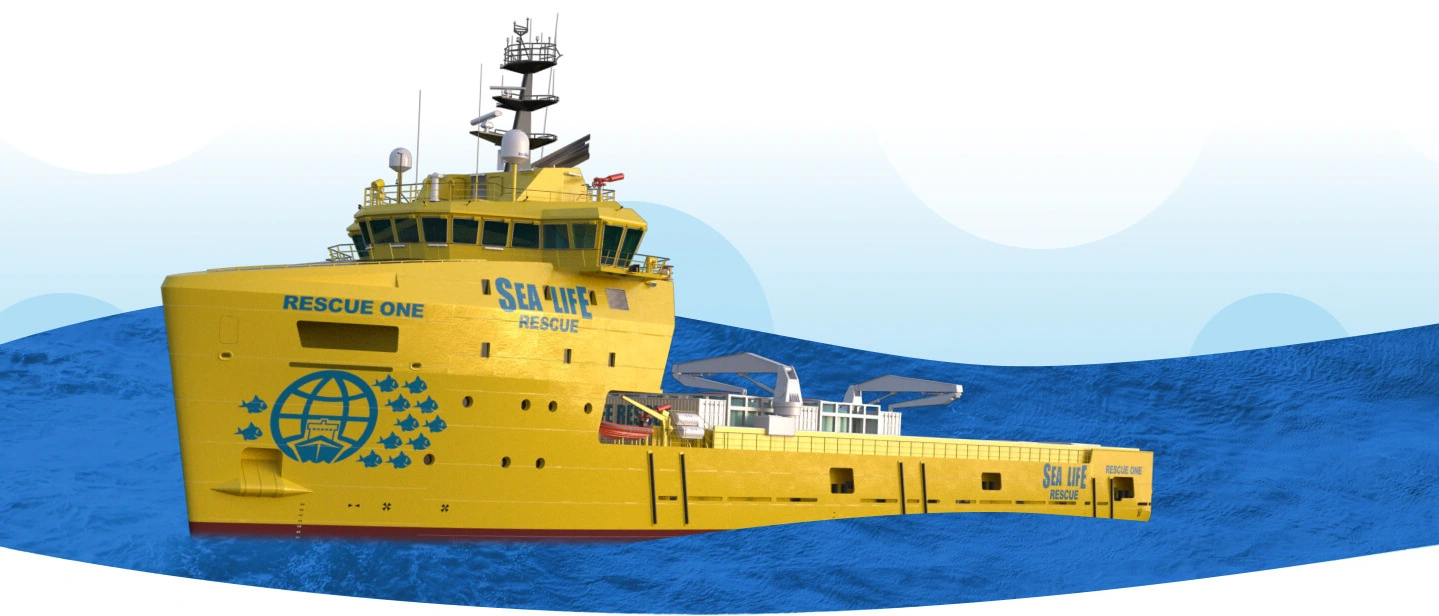
Project - Rescue One
Deployment of scalable modular equipment on special ships strategically dispatched around the globe to resolve critical biodiversity and humanitarian issues.
Strategy Planning
Deployment of scalable modular equipment on special ships strategically dispatched around the globe to resolve critical biodiversity and humanitarian issues.
✓ Re-stock endangered and depleted species
✓ Re-stock species that contribute to stabilizing reef ecology and ecosystems
✓ Support local communities & local economies in developed and emerging markets
✓ Re-stock species that mitigate the damage done to marine environments by human activity
✓ Maintain a “seed bank” of marine species to prevent extinction
✓ Established environmental and ecological parameters
✓ Collaboration with leading academic institutions Known breeding aggregations and spawning cycles
✓ Demonstrated aquaculture production techniques
✓ Collaboration with commercial aquaculture facilities
✓ Established rearing techniques for first feeding
✓ Proven DNA analysis and sampling techniques
✓ Highly cost efficient and scalable vs. land-based aquaculture
✓ Location selection timed to species spawning
✓ Collection of large numbers of mature adults ready to spawn
✓ Work with Governments to ensure monitoring of Marine Protected Areas (MPAs)
✓ Work with Universities for case studies and DNA sampling data collection and analyses post Sea Life Rescue releases
✓ Partner with local fisheries and governments (permits, collection)
✓ Collaboration with commercial aquaculture production experts
✓ Modular, scalable and rapidly deployable hatchery technology
✓ Commercially proven aquaculture processes and technology
✓ Highly cost efficient and scalable vs. land-based aquaculture

Vessel Operations
No Chemicals
No Pollution

No Waste

Sustainable
✓ Advanced cage trapping.
✓ Selective adults capture.
✓ Nutrient enhanced reproduction.
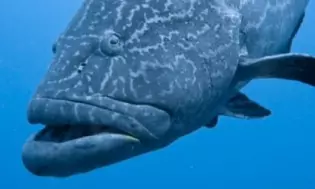
✓ Breeding in special tanks.
✓ Enriched fertilization with nutrients.
✓ Every viable egg released gets fertilized.
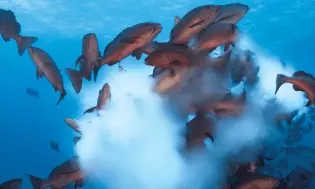
✓ Micro-plastics water filtration.
✓ High impact foods.
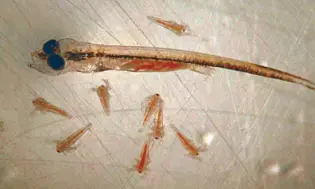
✓ Enhanced juvenile growth.
✓ Adults released in situ.
✓ Juveniles released in Marine Protected Areas to further increase long term survival.
✓ Government and University monitoring programs.
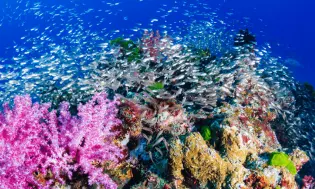

Mission Planning
Sea Life Rescue utilizes an in-house screening model to maximize environmental and social impact, reduce operational risk, and identify the critical paths in successful marine life rejuvenation.

Enviromental Situation
Pollution levels, water quality, local biodiversity abundance, coral reef's health.
Marine Species
Aquatic ecosystem health, invasive species determination & possible resolution, IUCN threat list assessment.

Local Communities
Fishing practices, economy, poverty levels, government & regulatory environment.

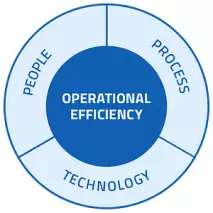
Operational Efficiency
Species culture techniques, multi-species spawning, effective catch and release, universities and industry partnerships.

Navigation Planning
Multi-locations species breeding behavior calendar, fuel consumption, climate effects, annual maintenance and replenishment.

Impact Measurement
Quantitative analyses, DNA sampling, local community support (seafood supply and employment), Ph.D. scholarships.
Global Rejuvenation
Fish Species
Based on the IUCN (International Union of Conservation for Nature) Red List of endangered species and using proven aquaculture breeding techniques.



Nassau Grouper
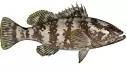
IUCN Status
Critically Endangered
- Known predator of the LIONFISH.
- 95% Population decline.
- Sexual Maturity at 4 years.
- 500,000 to 3,000,000 eggs.
- Spawns November through April.
- Proven aquaculture production.
- Known spawning locations.
- Occurs in Marine Protected Areas.
Giant Sea Bass
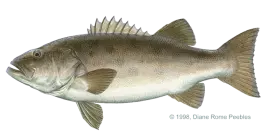
IUCN Status
Critically Endangered
- 95% Population decline.
- Sexual Maturity at 11 years.
- 60,000,000 eggs per spawning.
- Spawns July through September.
- Proven aquaculture production.
- Known spawning locations.
- Occurs in Marine Protected Areas.
Atlantic Halibut
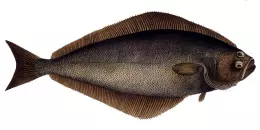
IUCN Status
Endangered
- 90% Population decline.
- Sexual Maturity at 8 years.
- 3,500,000 eggs.
- Spawns April through September.
- Proven aquaculture production.
- Known spawning locations.
- Occur's in Marine Protected Areas.
Humphead Wrasse
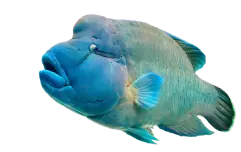
IUCN Status
Endangered
- Known predator of the Crown of Thorns Starfish.
- 90% Population decline.
- Sexual Maturity at 5 years.
- 3,000,000 eggs per spawning.
- Spawns all year round.
- Proven aquaculture production.
- Known spawning locations.
- Occurs in Marine Protected Areas.
Goliath Grouper
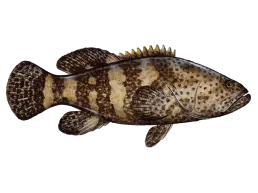
IUCN Status
Endangered
- 84% Population decline.
- Sexual Maturity at 6 years.
- 60,000,000 eggs per spawning.
- Spawns July through August.
- Proven aquaculture production.
- Known spawning locations.
- Occurs in Marine Protected Areas.
Hongkong Grouper
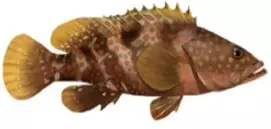
IUCN Status
Endangered
- 90% Population decline.
- Sexual Maturity at 3 years.
- 500,000 to 3,500,000 eggs.
- Spawns July through August.
- Proven aquaculture production.
- Known spawning locations.
- Occurs in Marine Protected Areas.
Atlantic Cod
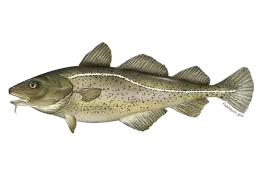
IUCN Status
VULNERABLE
- 75% Population decline.
- Sexual Maturity at 4 years.
- 2,500,000 to 15,000,000 eggs.
- Spawns December through April.
- Proven aquaculture production.
- Known spawning locations.
- Occurs in Marine Protected Areas.
Dusky Grouper
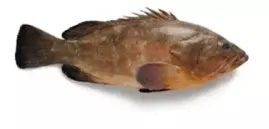
IUCN Status
Vulnerable
- 88% Population decline.
- Sexual Maturity at 5 years.
- 500,000 to 3,500,000 eggs.
- Spawns July through December.
- Proven aquaculture production.
- Known spawning locations.
- Occurs in Marine Protected Areas.

Global Dead Zones
Global Ocean Oxygen Network
Based on the finding of UNESCO’s Global Ocean Oxygen Network (GO2NE), related to deoxygenation of open ocean and coastal waters.


Coastal Zones
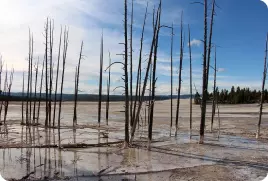
The Baltic Sea has one of the largest coastal water hypoxic zones in the world. In 2011 the area of water with dissolved oxygen concentration < 2 mg/L was nearly 80,000 km2.
Coastal Zones
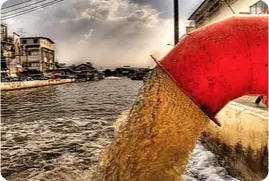
Over 500 coastal water bodies now report dissolved oxygen concentrations below 2mg/L.
Coastal Zones
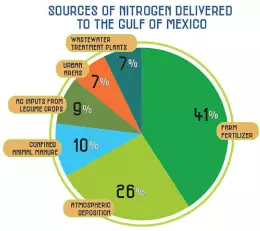
Millenium Ecosystem Assessment released by the Uniter Nations in 2005 reported that the supply of nitrogen-contraining compounds input to the world’s oceans grew by 80 percent from 1860 to 1990.For individual coastal water bodies, the increase has been as high as 100 fold or more.
Coastal Zones
Coastal Zones
Coastal Zones
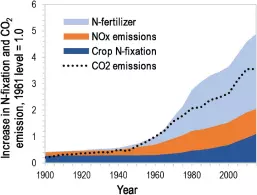
The use of synthetic fertilizers for the cultivation of nitrogen-fixing crops and increased emissions of NOX have all contributed to soaring levels of reactive nitrogen in the environment.
Coastal Zones
Upwelling of low oxygen water can cause massive fish kills but also brings nutrient-rich waters to the surface to fuel fisheries production.
Coastal Zones
Wastewater from sewage and agriculture adds excess phosphates and nitrogen which stimulate blooms of noxious and toxic algae in coastal ecosystems.
Excess algae growth decomposes with aerobic bacteria causing hypoxic (oxygen-depleted) Dead Zones leading to eutrophication causing animals to die.
Dead Zones result in biodiversity collapse, major economic losses for coastal fishing industries, and release of (NOX) nitrous oxide, a greenhouse gas 300x more powerful than CO2.
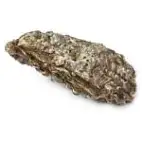
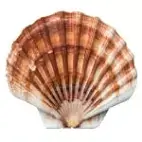
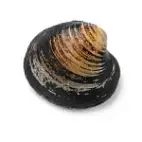
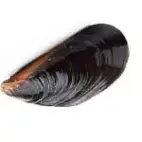
Dead Zones can be prevented by rejuvenating the natural filter-feeding bivalves which consume the algae blooms, improving water clarity and reducing nutrients preventing oxygen-deficient dead zones from forming along coastal regions, as well as providing a sustainable benefit to the fishing industry.
Shellfish Species